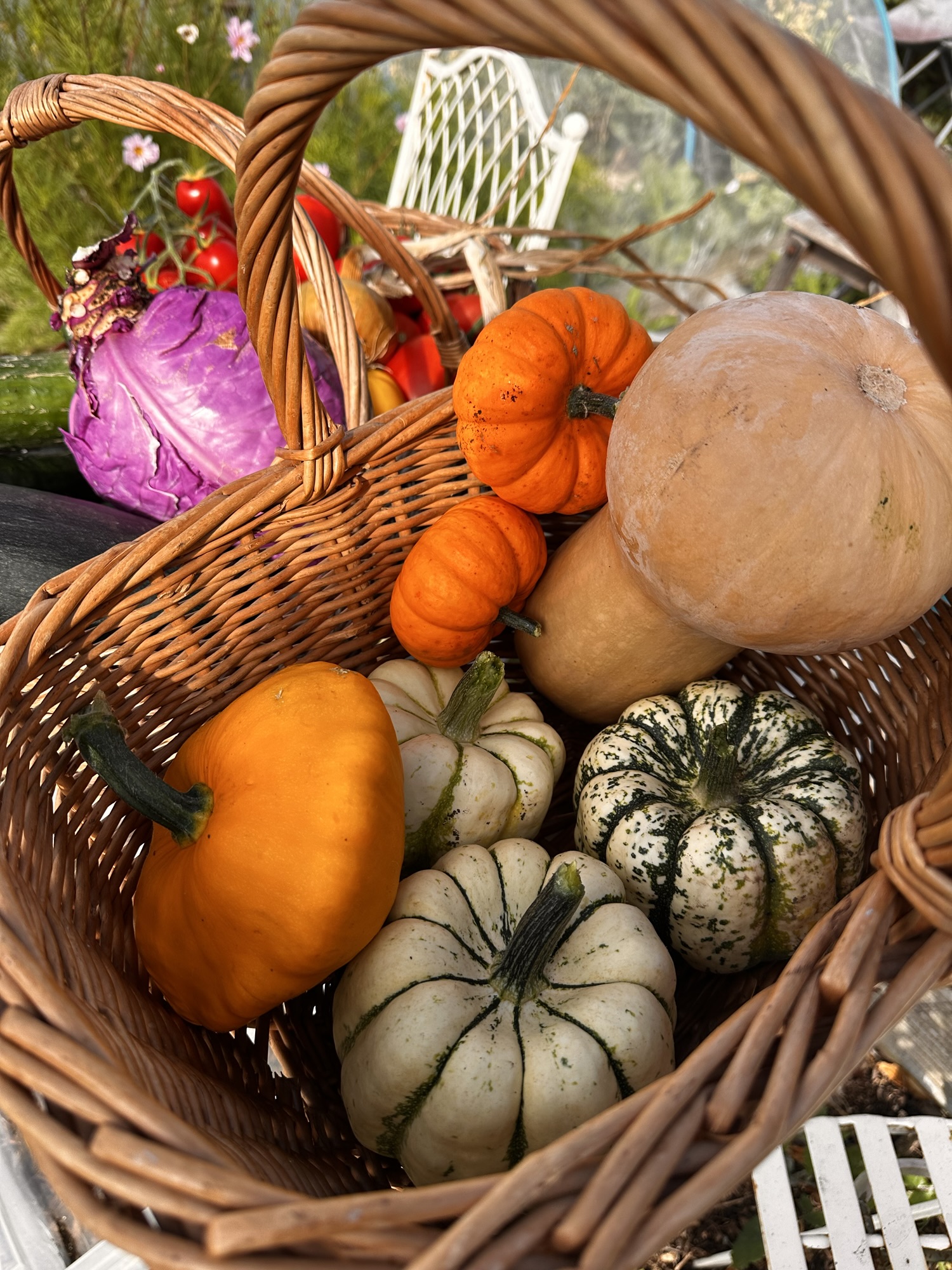
Don’t Put the Padlock on Your Plot. The Allotment Season Never Really Ends
One of the biggest myths I hear every year is, “That’s it now, see you next spring.”
Honestly? Nothing could be further from the truth.
An allotment isn’t just a summer hobby. It’s a twelve-month adventure. While the pace changes with the seasons, there’s always something happening. In many ways, I find autumn and winter just as rewarding. The crowds disappear, the air turns crisp, the robins become your constant companions and the plot takes on a completely different kind of beauty.
If you’re willing to embrace the colder months, your plot can still be producing fresh food long after everyone else has packed away their tools.
Sow Now for Months of Harvests
Late summer and early autumn are brilliant times to get another wave of crops growing.
Think about sowing:
- Spring cabbage
- Winter lettuce
- Oriental leaves such as mizuna and pak choi
- Spinach
- Lamb’s lettuce
- Rocket
- Winter purslane
- Radish
- Turnips
- Beetroot (for baby roots)
- Spring onions
- Welsh onions
- Coriander
- Parsley
- Dill
- Chervil
These crops love the cooler weather and many will carry on producing right through autumn and into winter, especially if you give them the protection of a cold frame, fleece or polytunnel.
Garlic and Onions Are Waiting in the Wings
As autumn rolls around, it’s time for one of my favourite jobs.
Planting garlic.
There’s something wonderfully optimistic about pushing those cloves into the soil knowing they’ll quietly develop all winter before rewarding you next summer. Autumn is also the perfect time for overwintering onion sets, giving you an earlier crop next year.
It’s one of those jobs that reminds you gardening is always about looking ahead.
Don’t Forget the Green Manures
If you’ve got empty beds, don’t leave them bare.
Sow green manures like field beans, grazing rye or phacelia. They’ll protect the soil from heavy rain, reduce weeds, improve soil structure and feed the worms while you enjoy a well-earned cuppa.
Your soil will thank you next spring.
Winter Is a Time to Build
With fewer crops demanding attention, winter becomes the perfect opportunity to improve your plot.
You could:
- Build new raised beds.
- Repair paths and edging.
- Turn pallets into compost bins.
- Clean and sharpen your tools.
- Add homemade compost and leaf mould.
- Plan next year’s crop rotation.
- Plant fruit trees and soft fruit bushes.
Every little job completed now makes spring so much easier.
Wildlife Never Takes a Holiday
Some of my favourite moments on the plot happen in winter.
A robin following me as I work.
A flock of goldfinches feeding on seed heads.
Frogs tucked away around my little pond behind the polytunnel.
Hedgehogs searching for shelter.
Leave some seed heads standing, keep a water source available and avoid being too tidy. Nature appreciates a little bit of organised chaos.
The Best Time for Reflection
Without the rush of watering and harvesting every evening, winter gives us time to slow down.
It’s the season to sit with a flask, listen to the birds, think about what worked, laugh about what didn’t and dream about next year’s plans.
Every allotmenteer knows those dreams start long before the first seed is sown.
Your Plot Is Never Closed
The allotment doesn’t shut for winter.
It simply changes its pace.
There are still seeds to sow, vegetables to harvest, wildlife to enjoy and plans to make. Before you know it, those first snowdrops will appear, the birds will begin singing a little louder and another growing season will be underway.
So don’t lock the gate until spring.
Pull on another jumper, pop the kettle on and keep enjoying every season your plot has to offer.
Because the best allotments are lived in all year round.

