Get ready for a busy month !
July is one of the busiest and most rewarding months on the allotment. The long days, warm temperatures and regular harvests mean there is always something to do. Whether you’re a brand-new plot holder growing your first crop of lettuce or a seasoned allotmenteer with decades of experience, July is the month when the hard work of spring starts paying dividends.
From harvesting and watering to sowing for autumn and supporting wildlife, here’s what to focus on this month.
Harvest Little and Often
July is peak harvest season for many crops.
Courgettes, cucumbers, peas, broad beans, beetroot, lettuce, strawberries and raspberries can all be producing heavily. Picking regularly encourages plants to continue cropping and ensures vegetables are harvested at their best.
Leave a courgette for a week and you might return to find something more suited to a rowing boat than the dinner plate!
Regular harvesting also helps reduce waste and keeps plants productive for longer.
Are Your Onions and Garlic Ready Yet?
July is often harvest time for onions and garlic, but many plot holders wonder exactly when they should lift them.
Garlic is usually ready when the lower leaves begin turning yellow or brown while around four to six green leaves remain. Each green leaf represents a protective wrapper around the bulb, so lifting too late can result in bulbs splitting and not storing as well.
If you’re unsure, carefully lift one bulb and check. The cloves should be well formed and fill the outer skin.
Onions are generally ready when the foliage yellows and naturally falls over. When around half to three-quarters of the crop has collapsed, it’s usually time to start lifting.
Avoid bending the tops over yourself. It’s best to let nature decide when they’re ready.
Once harvested, onions and garlic should be dried thoroughly somewhere warm, dry and airy. This curing process improves storage life and helps prevent rot during the months ahead.
Remember, plants don’t read gardening books. Readiness can vary depending on weather, variety and growing conditions.
Stay on Top of Watering
July can bring some very warm weather, particularly inside polytunnels and greenhouses.
Tomatoes, cucumbers, peppers and aubergines need consistent watering to perform well. Irregular watering can lead to split fruit, blossom end rot and stressed plants.
If you’re a no-dig allotmenteer, the organic matter in your beds may help retain moisture for longer. If you garden using more traditional cultivation methods, a mulch of compost, grass clippings or well-rotted manure can help reduce moisture loss and suppress weeds.
Whatever method you use, watering deeply and less frequently is usually more beneficial than little and often.
Feed Hungry Crops
Many crops are now putting huge amounts of energy into producing fruit and vegetables.
Tomatoes, runner beans, climbing French beans, pumpkins, squash and cucumbers will all appreciate regular feeding during July.
Liquid tomato feed, homemade comfrey feed or nettle tea can all help keep plants healthy and productive.
Heavy cropping plants work hard for us. A little extra nutrition often results in a much bigger harvest.
Keep Weeds Under Control
Unfortunately, weeds love July just as much as our vegetables do.
A few minutes spent weeding each visit can save hours of work later in the month. Weeds compete with crops for water, nutrients and light, particularly during dry spells.
No-dig plots often experience fewer weed problems thanks to compost mulches, while cultivated plots may need more regular attention.
Whichever method you follow, tackling weeds when they’re small is always easier than leaving them to establish.
Continue Sowing
Many people assume sowing finishes in spring, but July offers plenty of opportunities to keep beds productive.
Consider sowing:
- Beetroot
- Turnips
- Carrots
- Lettuce
- Spring cabbage
- Pak choi
- Chinese cabbage
- Perpetual spinach
- Florence fennel
- Winter salads
Succession sowing helps spread harvests throughout the year and ensures empty spaces are quickly filled.
Support Climbing Crops
Growth can be astonishing at this time of year.
Continue tying in tomatoes and removing side shoots from cordon varieties if required. Check canes, supports and strings regularly to make sure they remain secure.
Runner beans, climbing beans and sweet peas can all become surprisingly heavy as they reach full height.
A few minutes spent checking supports can prevent a season’s work ending up on the ground after a summer storm.
Watch for Pests and Disease
Warm weather creates perfect conditions for both plants and pests.
Keep an eye out for:
- Aphids
- Slugs and snails
- Cabbage white caterpillars
- Powdery mildew
- Red spider mite under cover
- Early signs of blight on potatoes and tomatoes
Regular inspections allow problems to be identified before they become serious.
Remember that encouraging wildlife is often one of the best forms of pest control. Birds, frogs, hedgehogs and beneficial insects all play an important role on a healthy allotment site.
Care for Your Soil
Healthy soil is the foundation of every successful allotment.
If you’re a no-dig allotmenteer, continue adding compost to beds as crops finish and try to keep the soil covered wherever possible.
If you cultivate your soil, avoid leaving large areas bare. Consider sowing a follow-on crop, planting green manures or applying organic mulches to help protect soil structure and reduce weed growth.
Looking after your soil now will pay dividends for years to come.
Support Wildlife
July is a fantastic month for pollinators.
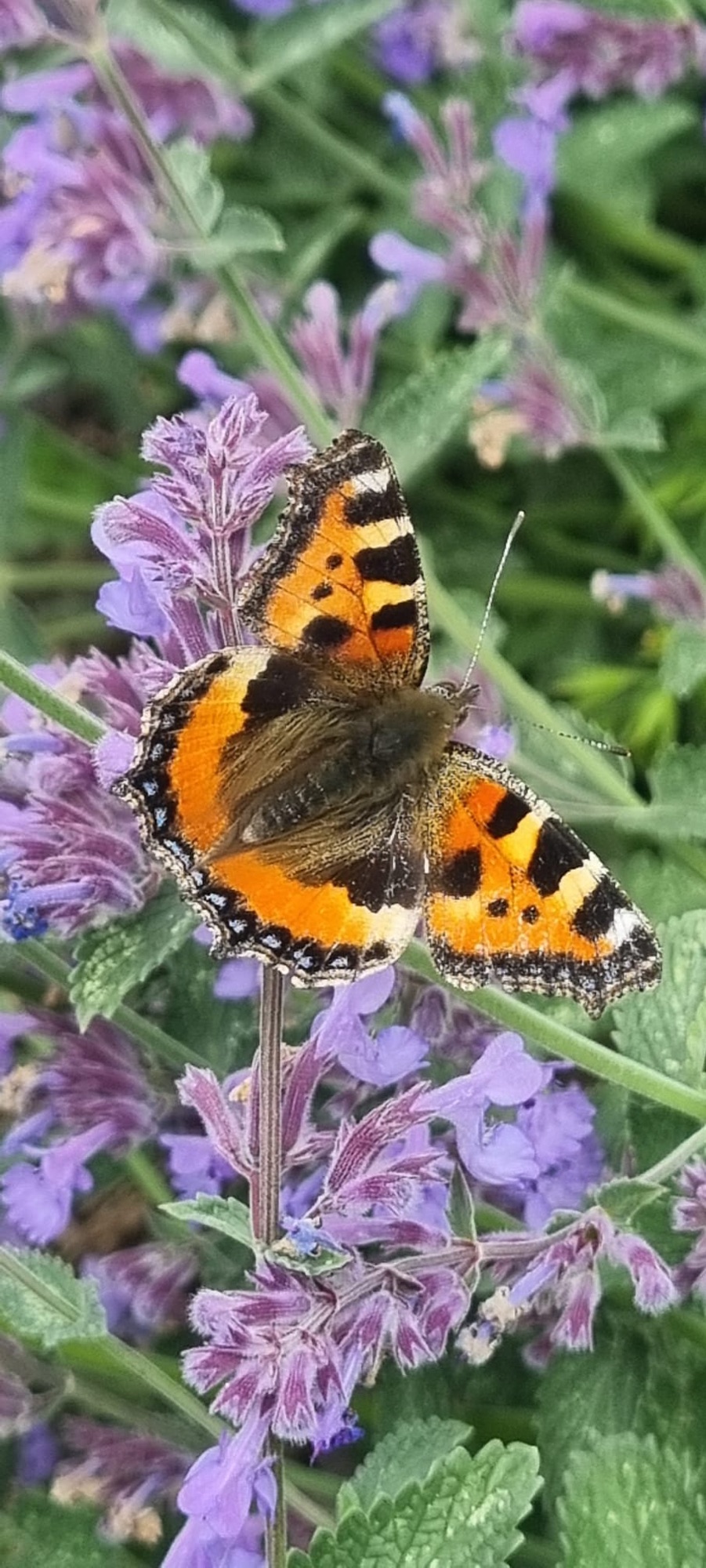
Keep bird baths and water stations topped up during hot weather and allow flowers to bloom wherever possible. Wildflower areas, ponds, insect habitats and hedgerows all help support bees, butterflies, hoverflies and birds.
A thriving allotment isn’t just about vegetables. It’s about creating a healthy environment where wildlife can flourish alongside our crops.
Start Planning Ahead
As garlic, onions and early potatoes come out of the ground, think about what will replace them.
Empty beds can quickly become weedy beds. Planning ahead allows you to maximise productivity and keep harvesting well into autumn and winter.
The most productive plots are often the ones that are always thinking one season ahead.
Enjoy the Plot
Amongst all the jobs, don’t forget to take a few moments to simply enjoy being there.
The allotment is bursting with colour, wildlife and fresh produce. Sit down with a brew, listen to the birds, watch the pollinators at work and appreciate how far your plot has come since those cold winter days.
July is one of the finest months on the allotment, and the rewards of your efforts are all around you.

